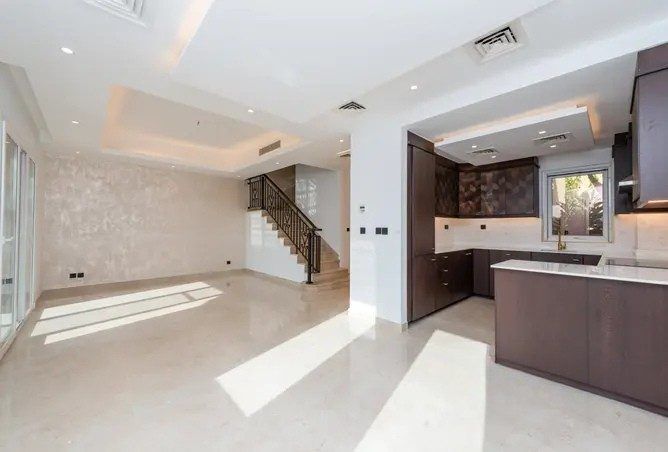
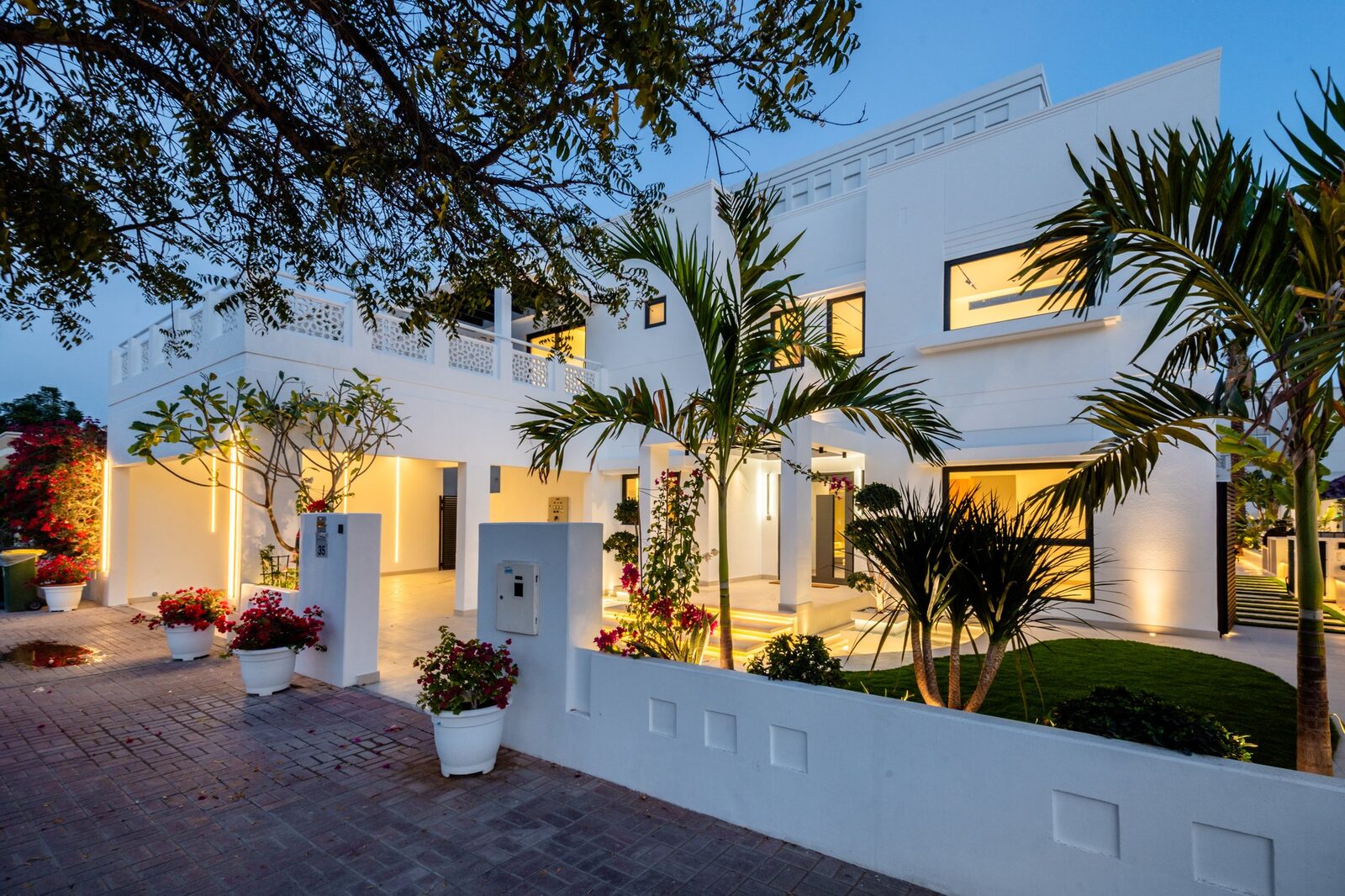
Talk to enough Dubai landlords and a pattern emerges: they renovate a rental villa the way they'd renovate a home they planned to live in — a statement kitchen island, a bold feature wall, maybe a home cinema converted from a maid's room. Then the villa sits on the rental market longer than expected, or lets for less than the budget assumed it would, and it's not always obvious why.
The reason is usually simple: tenants and owner-occupiers value different things, and a rental renovation aimed at the wrong priorities can cost just as much as one aimed at the right ones — without the rent to show for it.
What tenants actually prioritise first
Across the villa communities we work in, tenant priorities are remarkably consistent, and they start with things that aren't glamorous at all.
1. MEP that works — especially air conditioning
In Dubai's climate, a villa with unreliable or ageing air conditioning and MEP is close to unrentable at a competitive price, regardless of how the kitchen looks. Tenants who've rented in Dubai before know to ask about AC age and service history, and a villa with a recently upgraded system is a genuine differentiator, not a nice-to-have. Both our Meadows villa and Palmera 4 projects included full MEP replacement — exactly the kind of work that matters far more to a prospective tenant than a bespoke feature wall.
2. A kitchen and bathrooms that are clean, current, and functional
Tenants don't need a designer kitchen to sign a lease — they need one that isn't visibly worn, has enough storage and counter space, and doesn't come with ageing appliances that might fail mid-tenancy. The same logic applies to bathrooms: modern sanitary ware and reliable water pressure matter more to a tenant than premium natural stone.
3. Storage
Built-in wardrobes and adequate kitchen and utility storage consistently come up in what tenants ask about during viewings, especially for families relocating with a full household's worth of belongings.
4. Outdoor space in good condition
This is where villas differ most from apartments. A tired pool or a patchy, overgrown garden undercuts the entire viewing, because outdoor space is often the specific reason a tenant chose a villa over an apartment in the first place. A well-maintained pool and garden do more for a villa's rentability than an extra layer of finish inside the house.
5. Neutral, durable finishes
Bold colour choices, unusual layouts, or highly personal design decisions can shrink a tenant pool rather than grow it. What reads as characterful to an owner can read as "not for me" to a prospective tenant comparing several options.
💡 Where the yield math actually lands
If you're weighing a renovation against the rent increase it might unlock, our guide to how renovation affects rental yield breaks down where the spend stops paying back — worth reading before finalising a scope.
What tenants notice but won't necessarily pay more for
Some renovation choices are genuinely nice to have but don't move achievable rent the way owners often expect. A home cinema, a wine room, or ultra-premium natural stone throughout matter enormously if you're renovating to live in the villa yourself, and matter far less to a tenant renting for two or three years and comparing your villa against similar options in the same community.
This doesn't make these features a mistake — it means they should be budgeted as a personal or long-term-hold decision, not a rental-yield decision. If the goal is genuinely to maximise rental return, that budget is usually better spent spread across the fundamentals above than concentrated into one showpiece space.
Renovating for a tenant vs renovating for yourself
This distinction matters most for owners who bought specifically as an investment, whether that's a straightforward buy-to-let or part of a longer buy-renovate-sell strategy. The renovation brief should follow the exit: if the plan is to hold and rent, prioritise durability, low-maintenance materials, and the fundamentals tenants actually screen for. If the plan is eventually to sell to an owner-occupier, the calculation shifts closer to what we cover in whether renovating increases resale value.
The maintenance factor tenants can't see — but feel
Deferred maintenance doesn't just affect resale value — it shows up as tenant turnover. A villa where small issues (a slow drain, a flickering light, a temperamental AC unit) go unaddressed tends to lose tenants at renewal rather than retain them, which costs an owner far more in void periods and re-letting fees than the maintenance itself would have. We cover this in more depth in the true cost of not renovating — the logic applies just as much to rental properties as to villas an owner lives in.
⚠ A rental renovation isn't a smaller version of a resale renovation
The two briefs genuinely diverge. Optimising for a fast, well-priced letting means prioritising working systems, tenant-durable finishes, and outdoor condition over the personal, distinctive choices that matter more when renovating to sell to an owner-occupier — or to live in yourself.
Getting the scope right before you spend
Before committing a budget, it's worth being explicit with your contractor about which tenant profile you're renovating for — a young professional couple, a relocating family, a long-term corporate tenant — since that changes where the money should go. A family tenant weighs storage and bedroom-to-bathroom ratio heavily; a couple may prioritise a modern kitchen and outdoor entertaining space over a fourth bedroom's finish level.
Not sure what a rental-focused renovation should cost?
Our Renovation Cost Calculator lets you scope a targeted, tenant-focused renovation separately from a full owner-occupier renovation, so you can budget against realistic rent expectations.
Try the Cost CalculatorFrequently asked questions
What do tenants care about most in a Dubai rental villa?
Working air conditioning and MEP systems come first, followed by a clean, functional kitchen and bathrooms, adequate storage, and a well-maintained pool and garden. These fundamentals matter far more to rent and vacancy than premium or highly personal finishes.
Does a full luxury renovation get a rental villa a proportionally higher rent?
Not usually. Tenants compare your villa against similar options in the same community and rarely pay a proportional premium for ultra-premium finishes or bespoke features like a home cinema. That spend tends to make more sense for an owner-occupier renovation than a rental one.
Should I renovate a rental villa differently than one I plan to sell?
Yes. A rental renovation should prioritise durability, working systems, and broad tenant appeal, since you're optimising for consistent occupancy over years. A pre-sale renovation is judged once, by a single buyer, so the calculation and priorities differ.