Buy-renovate-sell works in Dubai's villa market for the same reason it works anywhere: there's a persistent gap between what a dated property costs to acquire and what a well-renovated equivalent sells for, and that gap is wide enough in the right communities to cover renovation cost, holding cost, transaction costs, and still leave a margin. The strategy fails just as reliably for the same reason it fails everywhere — investors underestimate renovation cost and timeline, overpay at acquisition because they didn't budget the renovation properly first, or renovate to a standard the local resale market won't support.
This guide walks through how to source, budget, and execute a value-add villa project in Dubai without falling into those traps.
Sourcing: where the margin actually comes from
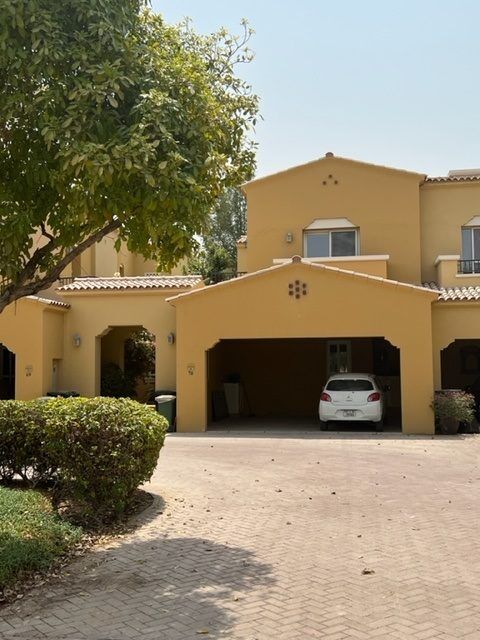
The margin in a buy-renovate-sell project is made at acquisition, not at sale. That means the search should focus specifically on villas in established communities — The Meadows, The Lakes, The Springs, Arabian Ranches, Jumeirah Islands — where a meaningful share of the stock still carries original developer finishes from the early-to-mid 2000s, and where genuinely renovated comparables are already achieving a clear premium in the same community.
Structurally sound properties with cosmetic and MEP-level issues are the right target. Villas with major structural problems, unresolved legal or title issues, or significant unauthorised alterations carry a different risk profile entirely and are generally best left to investors with direct construction and legal expertise on their team.
💡 Walk the property with your contractor, not just your agent
Before making an offer, get a renovation contractor to walk the property with you — not after you've signed. A site visit before acquisition surfaces MEP and structural issues that materially change your renovation budget, and therefore what you can afford to pay for the property in the first place.
Budgeting the renovation realistically
A full villa renovation in Dubai typically runs from the mid-hundreds-of-thousands into seven figures depending on size and finish level — the specific number depends entirely on your property and target finish tier. What matters for a buy-renovate-sell project specifically is building in contingency: older villas frequently reveal additional MEP or structural work once demolition begins, and a project without a contingency buffer of at least 10-15% of the renovation budget is exposed to a margin-erasing surprise.
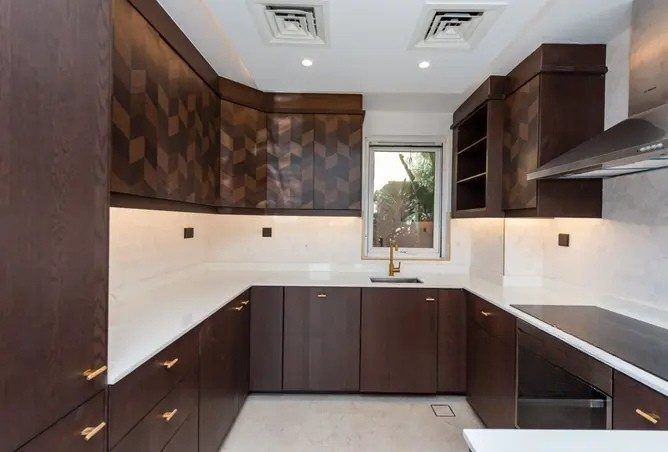
Equally important is matching your finish tier to what the community's resale market actually supports. A standard-to-premium finish that closes the gap with the best comparable listings usually protects margin better than a luxury or ultra-luxury finish that few buyers in that specific community are shopping for. Our Renovation Cost Calculator is a useful first pass for scoping a realistic budget before you make an offer on a property.
Timeline and holding costs
A full villa renovation typically takes four to eight months depending on scope and material lead times. Every month of that timeline carries holding costs — financing costs if the acquisition is leveraged, service charges, utilities, and insurance — that need to be built into the return calculation from the outset, not treated as an afterthought once the project is underway.
This is also where working with a single accountable contractor rather than managing separate trades yourself matters most for an investment project specifically: fragmented trade management is the most common cause of the delays that turn a well-underwritten project into a marginal one.
| Cost category | What to budget for |
|---|---|
| Acquisition | Purchase price, transfer fees, agent commission |
| Renovation | Full scope cost + 10-15% contingency for MEP/structural surprises |
| Holding costs | Financing, service charges, utilities, insurance across the renovation period |
| Disposal | Agent commission, marketing, transfer fees on exit |
For a real, documented example of scope, sequencing, and delivery timeline on a full villa renovation, our Meadows villa case study and Palmera 4 Arabian Ranches case study both show genuine before-and-after documentation with the actual scope, duration, and process involved — useful reference points when underwriting your own numbers.
⚠ Don't skip the exit comparables check
Before finalising your renovation scope, identify three or four genuinely comparable villas that have sold recently in the same community at a similar size. If your target finish level and budget would put your total cost above what those comparables achieved, the margin has already disappeared — adjust the scope, not the exit price assumption.
If you're weighing this against a longer hold as a rental rather than a quick resale, see our guide on how renovation affects rental yield — the economics of a buy-renovate-hold strategy are meaningfully different from buy-renovate-sell. And if the property you're considering is genuinely distressed rather than simply dated, our investor's guide to renovating distressed villas covers the additional risk factors to underwrite.
Scoping a value-add villa project?
Talk to our team before you finalise an offer — a pre-acquisition site assessment gives you a realistic renovation number to underwrite against.
Request a Site AssessmentFrequently asked questions
Is buy-renovate-sell a good investment strategy in Dubai?
It can be, in established villa communities with strong underlying demand and a supply of dated stock trading below the price of comparable renovated villas. Returns depend heavily on acquisition price, renovation cost control, and holding costs during the project — it is not a passive strategy.
What type of villa is best for a buy-renovate-sell project in Dubai?
Structurally sound villas in established, high-demand communities with outdated finishes tend to work best, because the gap between their current condition and market expectations is largest. Villas with major structural or legal issues carry disproportionate risk and are best avoided by first-time investors.
What's the biggest mistake investors make in a buy-renovate-sell project?
Underestimating renovation costs and timeline, which erodes margin through extended holding costs. The second most common mistake is over-improving the property beyond what the community's comparable listings can support at resale.